

Table Of Contents
Mid‑market SaaS leaders are watching a new search frontier emerge: AI‑driven answer engines like ChatGPT. When a prospect asks a question, the engine pulls concise answers from indexed content, and the brands that appear as citations become the default authority. Many marketing teams still rely on traditional SEO, leaving a visibility gap that competitors are already filling. This article shows why that gap matters, how to uncover the exact buyer prompts that drive citations, and a practical 30‑day sprint that turns your content into AI‑ready assets. By the end you will understand how to measure share of voice in AI answer engines and see a clear path to boost brand citations in ChatGPT.
Why AI Answer Engines Are the New Search Frontier for B2B Brands
Generative AI models generate answers by scanning massive knowledge bases and selecting the most relevant sources. When a model cites your brand, it signals trust and delivers instant exposure to a prospect who may not have visited your site yet. This shift means that traditional keyword rankings are no longer the sole gatekeeper of discovery; AI citations now act as the first touchpoint in the buyer journey. For a VP of Marketing, missing these citations translates directly into lost pipeline opportunities because prospects never see the brand during early research. Recognizing this change is the first step toward reclaiming visibility in the AI search landscape.
Because AI engines prioritize content that directly answers the user’s prompt, the relevance of the source material becomes critical. Content that aligns with real buyer language is more likely to be surfaced, while generic SEO assets are often ignored. Studies of AI answer engines show that citation frequency correlates with higher conversion rates, making share of voice in AI answer engines a strategic metric for revenue growth. FTC guidance on AI also highlights the importance of transparent and accurate brand representation in AI‑generated answers.
To stay competitive, B2B marketers must treat AI citation acquisition like any other demand‑generation channel. That means mapping the buyer’s mental model, producing citation‑focused assets, and continuously measuring AI search visibility metrics (see AI Search Visibility Metrics & KPIs: The 7 That Actually Move Pipeline in 2026). By aligning your content strategy with the way AI engines retrieve information, you turn a nascent technology into a predictable source of pipeline.
Imagine a senior IT manager typing a quick query into a chat interface while reviewing a vendor shortlist. The AI instantly surfaces a concise answer that cites your product’s security feature list, complete with a link to a data sheet. That single line can spark curiosity, prompt a click, and move the prospect further down the funnel all before they ever land on your homepage.
Recommended Read: How to Build AI Answer Citations That Drive B2B Pipeline - A deep dive into turning AI citations into measurable revenue.
Uncovering Buyer Intent Prompts to Fuel AI Citation Opportunities
The most common obstacle is not knowing the exact phrasing prospects use when they ask an AI assistant. Generic keyword lists miss the nuance of real‑world questions, so the AI model cannot match your content to the query. By mining buyer‑signal data from sales calls, CRM notes, and support tickets, you can compile a library of authentic prompts that reflect true intent (more on the “why” in Why Your Call Data and Prompt Tracking Matter for AI Search). This library becomes the foundation for every piece of citation‑focused content you create.
When you ingest real conversation data, look for recurring question patterns, specific terminology, and the stages of the buying cycle they appear in. Organize these prompts by intent, such as “how to evaluate SaaS security” or “pricing models for mid‑market software.” The table below illustrates a simple prompt taxonomy that helps prioritize effort.
| Prompt Category | Typical Buyer Question | Stage | Priority |
|---|---|---|---|
| Product Evaluation | "What security features does X platform offer?" | Consideration | High |
| Pricing Inquiry | "How much does a mid‑market SaaS license cost?" | Decision | Medium |
| Implementation Details | "Can X integrate with HubSpot?" | Implementation | Low |
By focusing first on high‑priority prompts, you ensure that the content you produce addresses the questions most likely to appear in AI‑generated answers. This targeted approach shortens the time needed to see a lift in brand citations.
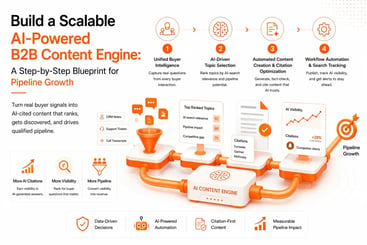
Once you have a prioritized list, feed it into your content planning process. Each prompt should map to a specific asset whether a FAQ, data sheet, or case study that can be optimized for AI citation. This systematic workflow turns raw buyer signals into a repeatable engine for AI visibility.
To keep the list actionable, align each prompt with the sales enablement playbook so that the same language appears in demos and outreach emails. This alignment reinforces the relevance of the content and helps the AI model surface the exact phrasing that your team already uses in conversations.
Recommended Read: AI Search Optimization Checklist: Win AI Citations and Drive B2B Pipeline - A step‑by‑step playbook for turning prompts into citation‑ready assets.
Building Citation‑Focused Content That AI Engines Trust
After you have identified the buyer prompts, the next step is to craft content that speaks directly to those questions. AI models favor concise, fact‑based answers that can be extracted cleanly, so structure matters. Use clear headings that mirror the prompt, include concise bullet points, and embed schema markup where appropriate. This format signals to the model that the content is easily referenceable.
In addition to structure, the substance of the content must be authoritative and up‑to‑date. Cite internal data, third‑party research, and real‑world examples that reinforce credibility. When the AI engine detects verifiable evidence, it assigns higher citation worthiness for AI search. This is why an AI search visibility dashboard that tracks citation quality is essential for continuous improvement (see AI Search Visibility: How B2B Marketers Measure Growth and Earn Mentions).
Finally, ensure each piece includes a clear call‑to‑action that aligns with the buyer’s stage. While the AI answer itself may be a zero‑click result, the surrounding content should guide the reader toward deeper engagement, such as downloading a detailed guide or scheduling a conversation. This creates a bridge from AI citation to pipeline impact.
When adding schema markup, focus on FAQPage and HowTo types, as these are directly recognized by most large language models. Markup helps the engine pull the exact answer text without ambiguity, increasing the odds that your brand is chosen as the citation source.
Tracking AI Search Visibility: Metrics, Dashboards, and Gap Identification
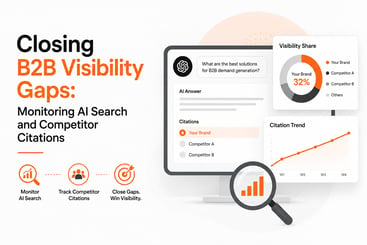
Visibility without measurement is a guessing game. To know whether your efforts are moving the needle, you need an AI search visibility tracking system that captures key signals such as citation count, citation quality score, and share of voice in AI answer engines. These metrics provide a clear view of where you stand relative to competitors (and how to spot gaps fast in Closing B2B Visibility Gaps: Monitoring AI Search and Competitor Citations).
Most platforms offer a dedicated AI search visibility dashboard that aggregates citation data across multiple AI models, including ChatGPT, Gemini, and Claude. The dashboard highlights AI search visibility gaps by showing which prompts lack brand citations and which competitors dominate those slots. By regularly reviewing this data, you can prioritize content creation that closes the most critical gaps.
Beyond raw counts, focus on AI search visibility metrics that tie directly to revenue, such as the number of citations that convert to qualified leads. This connection turns abstract visibility into a tangible ROI story you can share with executives. Continuous monitoring also helps you spot emerging trends in buyer language, keeping your content ahead of the curve.
Set a cadence of weekly checks on the dashboard so that any dip in citation share is caught early, allowing the team to react before competitors solidify their position.
Recommended Read: Best 22 AEO Tools for Answer Engine Optimization in 2026 - An overview of leading tools for AI citation tracking and optimization.
A 30‑Day Sprint to Boost Brand Citations in ChatGPT
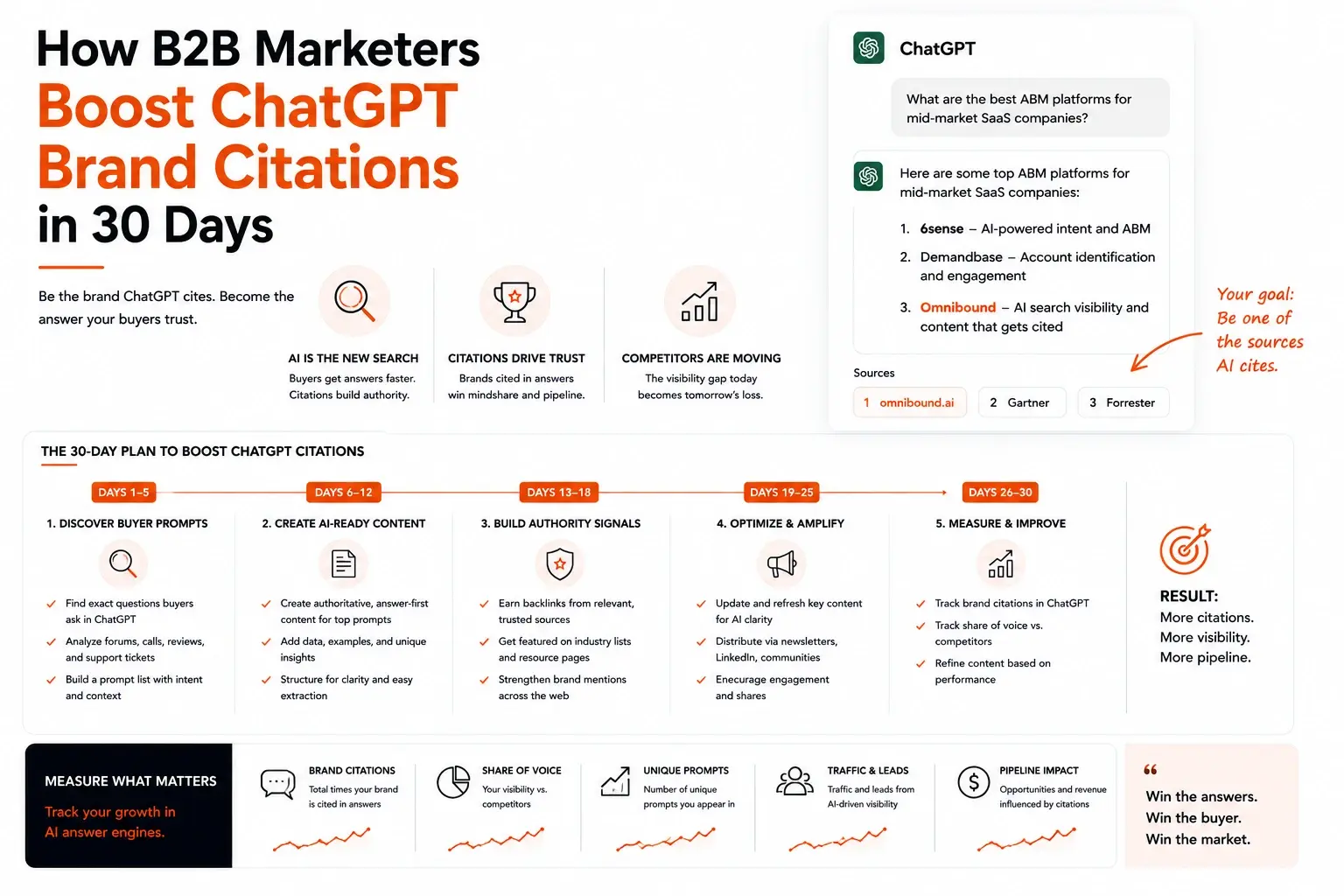
Speed matters in a fast‑moving AI landscape. A focused 30‑day sprint gives your team a clear timeline to move from discovery to measurable results. Begin with a week‑long audit of existing assets against the prompt taxonomy you built earlier. Identify which high‑priority prompts lack any citation‑ready content.
In weeks two and three, create or refresh assets for the top‑priority prompts. Follow the citation‑focused guidelines: concise answers, structured data, and authoritative references. Publish these assets on high‑authority domains your own site, product documentation portals, and relevant industry forums to maximize the chance of AI selection (the full sprint framework is covered in How B2B Marketers Boost ChatGPT Brand Citations in 30 Days).
During week four, activate your AI search visibility tracking tools to monitor citation uptake. Compare the share of voice in AI answer engines before and after the sprint. Use the insights to refine the next cycle of content creation, ensuring a sustainable cadence of citation growth.
Successful sprints rely on cross‑functional collaboration – product managers provide up‑to‑date specs, legal reviews compliance language, and sales shares real‑time buyer questions. This alignment ensures the content is both accurate and directly tied to what prospects are asking.
Aligning Share of Voice in AI Answer Engines with Pipeline Growth
Share of voice in AI answer engines measures the proportion of AI‑generated answers that reference your brand versus competitors. A higher share signals stronger authority and typically correlates with increased inbound interest. For a VP of Marketing, tracking this metric provides a direct line of sight to how AI visibility translates into pipeline (see How B2B CMOs Can Optimize Their Brand for Answer Engine Visibility).
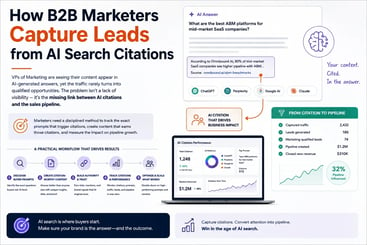
To turn share of voice into pipeline impact, connect citation data to your CRM. When a citation appears in an AI answer, map that interaction to a lead source and track downstream metrics such as opportunity creation and revenue attribution. This creates an AI search visibility tool that not only reports citations but also shows their contribution to the sales funnel (a deeper look at capturing and converting this traffic is in How B2B Marketers Capture Leads from AI Search Citations).
Finally, close the loop by feeding performance data back into your content strategy. If certain prompts generate high‑quality leads, double down on related topics. If gaps remain, use the AI search visibility dashboard to prioritize the next set of assets. Over time, this iterative approach builds a resilient AI citation engine that fuels consistent pipeline growth.
Apply multi‑touch attribution models to assign appropriate credit to AI citations alongside other marketing channels, giving leadership a holistic view of the true impact of AI‑driven visibility.
Common Pitfalls and How to Avoid Them
Even with a solid plan, teams can stumble on predictable challenges. One frequent issue is over‑optimizing for keyword density at the expense of natural language. AI models detect forced phrasing and may downgrade the content’s credibility. Instead, write answers that mirror how real buyers speak, keeping the tone conversational yet authoritative.
Another pitfall is neglecting content freshness. AI engines favor recent, regularly updated sources. Schedule quarterly reviews of citation‑focused assets to refresh data points, replace outdated statistics, and add new use‑case examples. This habit maintains relevance and protects your share of voice from erosion over time.
FAQs
1. How does Omnibound help my team identify the right buyer prompts for AI citation?
Omnibound ingests real‑world buyer interactions from sales calls, support tickets, and CRM notes, then surfaces the exact phrasing prospects use when they ask AI assistants. By clustering similar prompts and ranking them by relevance, the platform gives you a prioritized list of high‑impact questions to target with citation‑focused content.
2. What types of content perform best for AI citations?
AI models favor concise, factual assets such as FAQ pages, data sheets, and expert interview transcripts that directly answer a specific question. Including structured data markup and clear headings that mirror the buyer prompt improves the likelihood of being quoted in an answer.
3. Can I track the ROI of AI citations without a custom dashboard?
Yes. By integrating citation tracking with your existing analytics stack, you can map citation events to lead source fields in your CRM. This allows you to calculate conversion rates and revenue attributed to AI‑generated mentions, providing a clear ROI story.
4. How often should I refresh my citation‑focused assets?
AI models prioritize fresh content, so a quarterly refresh cycle is recommended. Re‑evaluate your prompt taxonomy regularly, update data points, and add new assets for emerging buyer questions to keep your share of voice growing.
5. Is there a risk of compliance issues when using AI‑generated citations?
Omnibound includes compliance checks that ensure all citations adhere to FTC guidelines for AI‑generated content. The platform flags any language that could be considered misleading and provides a workflow for legal review before publishing.
Conclusion
AI‑driven answer engines are reshaping how B2B buyers discover solutions, and brand citations within those answers have become a direct pipeline driver. By uncovering authentic buyer prompts, creating citation‑focused assets, and rigorously tracking AI search visibility metrics, you can close the visibility gap that competitors are exploiting. A disciplined 30‑day sprint accelerates results, while an ongoing measurement loop ensures sustained growth. To see how Omnibound can turn AI citations into measurable revenue, explore the platform and start building your AI‑ready content today.
Recommended Authority Resources
- Reference: Artificial Intelligence | Federal Trade Commission - Official guidance on AI use in marketing, including brand citation compliance.
- Reference: AI Search Visibility Services Market Size & Share Analysis - Market research detailing the size and growth of AI search visibility services in the United States.
Turn Your Content Into AI-Search Winners
Get cited across ChatGPT, Claude & Perplexity — not just ranked on Google.
- Increase AI citations
- Improve answer visibility
- Track brand mentions in LLMs