


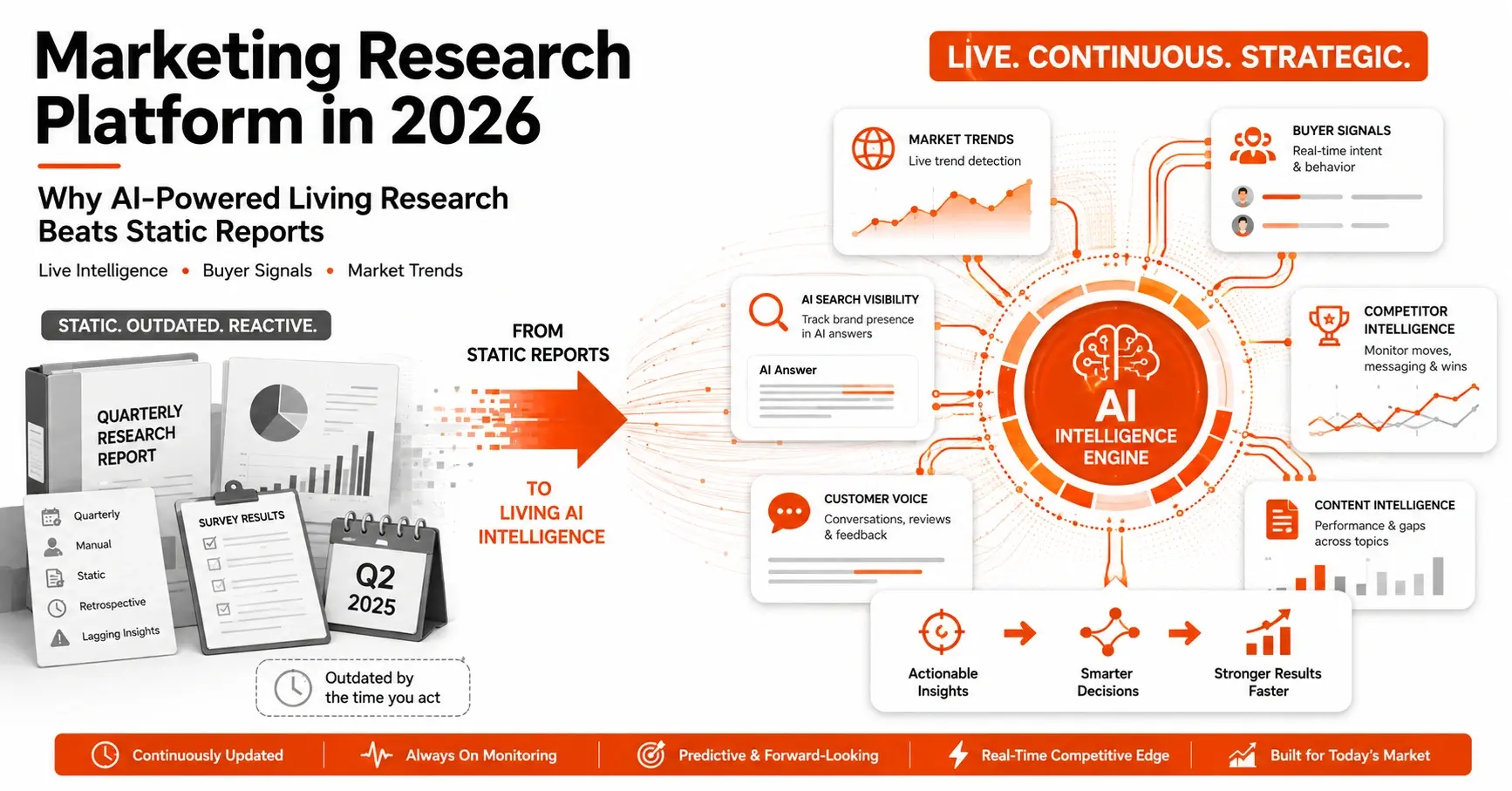


Marketing teams send and respond to hundreds of billions of messages every year. Yet most still build campaigns on static personas and quarterly research reports. In a landscape where buyer behavior shifts daily and AI engines reshape how people discover vendors, relying on outdated research is a competitive liability. The next generation of marketing research platforms fixes this by delivering continuously updated intelligence that reflects what buyers are doing right now, not six months ago.
Why Traditional Marketing Research Is Broken
Traditional research follows a familiar pattern. A team commissions a study, conducts interviews, runs surveys, and produces a slide deck. By the time that deck reaches the marketing team, the findings are already aging. Buyer sentiment has moved. Competitors have shifted their messaging. New objections have surfaced in sales calls that the research never captured.
The core problem is structural. Traditional research is quarterly, manual, static, and retrospective. It tells you what happened last quarter, not what is happening today. Modern markets change daily, hourly, and across channels that did not matter five years ago. Buyer conversations happen in AI engines. Competitor positioning shifts in real time. Customer pain points emerge in support tickets before they show up in any survey.
Research cannot be static anymore. When 93% of marketers say personalization improves leads or purchases, building that personalization on stale data guarantees missed opportunities. Teams need a research model that keeps pace with how fast markets actually move.
What Is a Living Marketing Research Platform?
A living marketing research platform is a continuously updating intelligence system that monitors customers, competitors, AI search, market narratives, and buying behavior in real time. Instead of producing a report that expires, it maintains a living layer of intelligence that evolves as new signals arrive.
Think of it as the difference between a photograph and a live feed. Traditional research gives you a snapshot. A living research platform gives you a continuous stream of interpreted signals that stay accurate every day.
Omnibound refers to this approach as a Living Research Engine, which is the proprietary methodology powering its platform. The concept is straightforward. The system ingests first-party and external data automatically, analyzes that data with AI to detect patterns and shifts, and activates those insights across strategy, content, and campaigns. Anything less is just another dashboard.
For teams evaluating a marketing research platform, the question is no longer whether it produces reports. The question is whether it produces intelligence that stays current and connects directly to execution.
Five Intelligence Streams Every Modern Marketing Research Platform Should Monitor
Most research platforms focus on surveys and consumer panels. That is a narrow view of what marketing teams actually need. A modern marketing research platform should unify five distinct intelligence streams into one continuously evolving layer.
1. Customer Intelligence
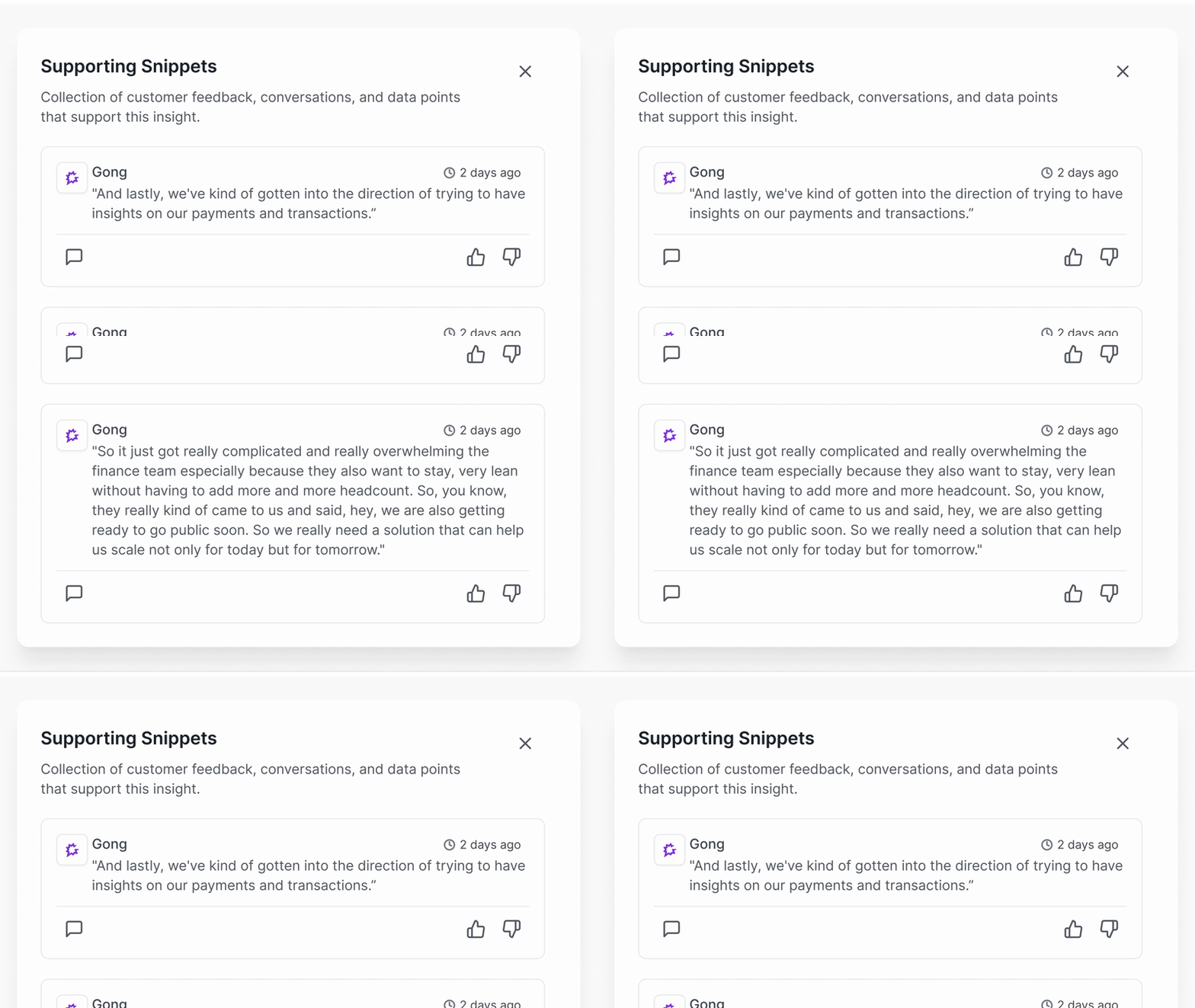
This includes signals from sales calls, customer reviews, CRM notes, and support tickets. These sources reveal the exact language buyers use, the objections they raise, and the outcomes they expect. Capturing and structuring these signals is what Omnibound's Context Engine does, ensuring every piece of content and every campaign is grounded in real buyer language rather than assumptions.
2. Market Intelligence
Market intelligence covers industry trends, analyst reports, and news that shape buyer expectations. A living platform does not just collect these inputs. It interprets which trends actually matter to your buyers and which ones are noise.
3. Competitive Intelligence
Competitors adjust their positioning, launch new products, and shift messaging constantly. A modern platform monitors competitor sites, content, and narratives so your team can respond quickly instead of discovering changes weeks later.
4. AI Search Intelligence
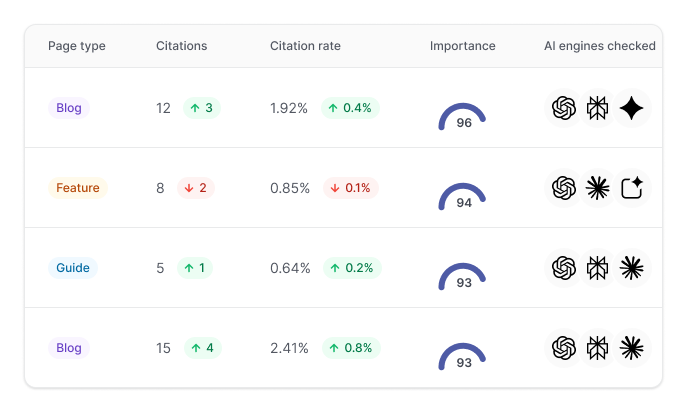
Buyers increasingly validate vendors through AI engines like ChatGPT, Gemini, Claude, and Perplexity. A living platform tracks which engines cite your brand, how often competitors appear, and what prompts buyers use when researching solutions. This is a research source that traditional platforms completely ignore.
5. Revenue Intelligence
Pipeline data, attribution, and campaign performance close the loop. Revenue intelligence tells you whether the insights you are acting on are actually moving deals forward. Without this stream, research remains disconnected from business outcomes.
From Research Reports to Continuous Intelligence
The workflow difference between traditional research and a living platform is one of the strongest differentiators. Traditional research follows a linear path: research, then presentation, then decision. Each step takes weeks. The output is a document that sits in a shared drive.
A living marketing research platform follows a completely different workflow. Signals stream in continuously. AI analyzes those signals and detects patterns. The system generates recommendations based on what changed. Teams execute on those recommendations. The system learns from the results and refines its next set of recommendations.
This cycle, signals to AI analysis to recommendations to execution to continuous learning, is what makes the intelligence living. It is also what connects research directly to pipeline instead of leaving it stranded in a slide deck.
Why CMOs Need Living Research Instead of Quarterly Reports
Today's CMOs face questions that quarterly reports cannot answer. Which competitor changed their messaging today? Which customer pain point is emerging this week? Which AI engines are citing competitors instead of your brand? Which content opportunities appeared in the last 48 hours?
These are not theoretical questions. They are the daily reality of running marketing in a market where conditions shift constantly. A marketing platform built for CMOs needs to answer these questions in real time, not schedule a research project to investigate them.
When 74% of marketers are already using at least one AI tool at work, teams that rely on manual research cycles are making slower, less informed decisions than their peers. The gap widens every quarter. CMOs who adopt living research platforms gain a structural advantage because their teams act on current intelligence while competitors act on assumptions.
For marketing leaders evaluating platforms, the requirements for CMOs have shifted. The platform must reduce decision latency, improve persona accuracy, and connect insights to execution without requiring a team of analysts.
AI Search Has Become a New Research Source
Buyers no longer start their research on Google alone. They ask ChatGPT, Gemini, Claude, and Perplexity. They use Google AI Overviews. These engines synthesize information and recommend vendors before a buyer ever visits your website.
This means AI search has become a legitimate research source, both for your buyers and for your team. A living marketing research platform should monitor these engines continuously. It should track which prompts buyers use, which vendors get cited, and how your brand appears across different AI engines.
This is not a vanity metric. When buyers enter sales conversations, their understanding of your product has already been shaped by what AI engines told them. If an AI engine cites a competitor more frequently, that competitor gains mind share before you even know there was a conversation. Connecting AI visibility to pipeline is now a core function of modern marketing research.
Strategic Signal Detection vs Market Research
This is where the distinction between traditional research and a living platform becomes sharpest. Traditional research answers one question: what happened? It looks backward, summarizes findings, and documents the current state.
Strategic signal detection answers three questions: what changed, why did it change, and what should we do about it? It is forward-looking and action-oriented. Instead of producing a summary, it produces recommendations.
For example, if a competitor launches a new narrative around a specific feature, traditional research would note that the launch happened. Strategic signal detection would identify the narrative shift, analyze how buyers are responding, flag whether the messaging is gaining traction, and recommend specific counter-positioning actions for your team.
This shift from descriptive to prescriptive intelligence is what separates a living marketing research platform from a reporting tool. It is also what makes the platform directly useful to content teams, demand generation teams, and product marketers who need actionable guidance, not just observations.
The Future of Marketing Research Platforms
The evolution of marketing research follows a clear trajectory. In the past, teams relied on dashboards that visualized historical data. Today, teams use AI-assisted tools that generate insights from collected data. The next phase is autonomous research agents that continuously monitor signals, interpret changes, and recommend actions without manual prompting.
From there, the trajectory moves toward decision intelligence, where the platform not only recommends actions but predicts outcomes and helps teams choose between options based on likely impact.
Static ICP documents, annual persona projects, and quarterly research decks will feel as outdated as manual lead routing. Teams will query a living research engine the same way they query a CRM today, expecting real-time answers grounded in current data.
How Omnibound Delivers Living Marketing Intelligence
Omnibound is a living marketing intelligence platform. It is not survey software, analytics dashboard, or a generic research tool. It continuously combines buyer conversations, market signals, competitor intelligence, AI search intelligence, and customer research into one continuously evolving intelligence layer.
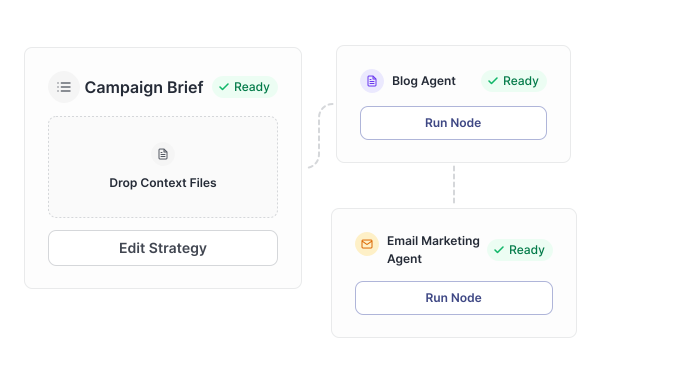
The platform is built on a clear architecture. The Context Engine unifies customer and market signals into a single trusted layer. Intelligent Research turns that unified context into living insights that stay current as behavior changes. AI agents take those insights and execute, producing content, battlecards, and campaign assets grounded in real buyer language.
For content teams, this means every asset reflects what buyers are actually asking today. For demand generation teams, it means campaigns are built on live signals instead of assumptions. For CMOs, it means decisions happen faster and with greater confidence because the intelligence is current.
The platform promise is simple. Omnibound turns customer, market, competitor, and AI search signals into real-time strategic recommendations that your team can act on immediately.
Conclusion
The marketing research platform category is evolving rapidly. Static reports and annual persona projects cannot keep up with markets that change daily. A living marketing research platform continuously monitors the signals that matter, interprets them with AI, and connects insights directly to execution so every campaign reflects the current reality of your buyers.
Omnibound's Living Research Engine represents this next generation. By unifying customer intelligence, market intelligence, competitive intelligence, AI search intelligence, and revenue intelligence into one continuously evolving layer, it replaces lagging research with living intelligence that drives better decisions and better pipeline outcomes.
For CMOs, growth leaders, and RevOps teams, the question is no longer whether AI will shape research. The question is how quickly you can put a living marketing research platform in place before your competitors do.
Frequently Asked Questions
What is a marketing research platform?
A marketing research platform is a system that collects, analyzes, and interprets customer and market data to help marketing teams make informed decisions. Modern platforms use AI to continuously update insights and connect them directly to campaigns, content, and execution workflows.
What is a living research engine?
A living research engine is Omnibound's proprietary methodology for continuous marketing intelligence. It automatically ingests customer and market signals, uses AI to detect patterns and shifts, and activates insights across campaigns and content in real time. Unlike traditional research, it never produces a static report that expires.
How is AI changing marketing research?
AI is shifting marketing research from manual, project-based work to continuous, automated intelligence. AI engines can process thousands of customer conversations, competitor updates, and market signals simultaneously, detecting patterns that human analysts would take weeks to surface. This makes research faster, more current, and more actionable.
What is continuous marketing intelligence?
Continuous marketing intelligence is the practice of monitoring customer, market, competitor, and AI search signals in real time, interpreting them with AI, and feeding recommendations back into marketing workflows. It replaces one-time research projects with an always-on system that keeps insights current.
How can CMOs use AI for market research?
CMOs can use AI-powered platforms to monitor buyer conversations, track competitor messaging changes, identify emerging pain points, and detect which AI engines are citing their brand. This gives them real-time answers to strategic questions that quarterly reports cannot address, enabling faster and more confident decisions.
What is the difference between market research and strategic intelligence?
Market research answers what happened. It is descriptive and retrospective. Strategic intelligence answers what changed, why it changed, and what to do about it. It is prescriptive and forward-looking, connecting insights directly to recommendations and execution.
How do AI search signals improve marketing research?
AI search signals reveal what buyers are asking when researching solutions, which vendors AI engines recommend, and how your brand appears across different platforms. This data helps teams understand buyer intent earlier, identify content gaps, and track competitive visibility in channels that traditional research ignores.
What should businesses look for in a marketing research platform?
Businesses should look for a platform that continuously ingests data from multiple sources, uses AI to interpret signals rather than just displaying them, keeps personas and messaging current, connects insights to execution, and monitors AI search visibility. The platform should reduce decision latency and improve the accuracy of every campaign it informs.

.webp?height=245&name=The%20CMO%E2%80%99s%20guide%20to%20AI%E2%80%90powered%20market%20research%20for%20pipeline%20growth%20(2).webp)