

Table Of Contents
AI answer engines are reshaping how prospects discover solutions. Traditional SEO tactics focus on keyword rankings, but AI models look for authoritative references that directly answer a user’s prompt. When your content appears as a citation, the engine signals credibility and drives instant visibility. For a VP of Marketing overseeing demand generation, missing those citations means losing early‑stage pipeline opportunities. This guide explains why AI search citations matter, how PR‑derived data uncovers real buyer language, and which practical steps can turn that insight into measurable share of voice.
Imagine a senior IT director searching for “how to reduce SaaS spend without impacting user experience.” Instead of scrolling through a list of blog posts, the AI assistant instantly quotes a concise paragraph from a trusted vendor’s whitepaper, complete with a link to download the full guide. That moment of instant relevance is a citation in action, and it can move the prospect from curiosity to a qualified lead with a single interaction. The following sections walk you through building that kind of moment at scale.
Why AI Search Citations Are the New SEO Frontier
In generative AI search, the engine selects external sources that best match the user’s exact question. Those sources become AI search citations, giving the brand a position of authority within the answer. Marketers who ignore citation opportunities watch competitors dominate the AI‑driven conversation. An industry analysis of AI search adoption notes that citation presence directly correlates with higher conversion rates in B2B funnels. To start capturing this new frontier, adopt an ai search visibility checker that surfaces which prompts already trigger citations and which gaps remain.
The next step is to move beyond a simple checklist and treat citation capture as a strategic optimization problem. An ai search visibility gap analysis tool can map the difference between existing content and the prompts that AI engines prioritize. By aligning content creation with those gaps, you create a feedback loop that continuously improves citation share. This approach also supports ai search visibility and share of voice optimization, ensuring your brand is not only present but dominant in AI‑generated answers.
Practical implementation begins with a dedicated audit of current citation coverage. Identify the top AI answer engines used by your target audience, then catalog the exact prompts where your brand is absent. Prioritize high‑impact prompts based on buyer intent and competitive relevance. Once the audit is complete, schedule regular updates to keep the citation map current.
When you map prompts to existing assets, you often discover that a single slide deck or case study already contains the exact phrasing a prospect uses. Repurposing that asset with minimal editing adding a clear heading, a short summary, and structured data can instantly convert it into a citation‑ready piece. This low‑effort leverage is a core advantage of the data‑driven approach.
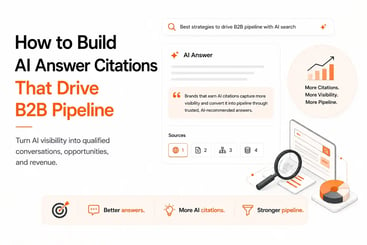
Recommended Read: How to Build AI Answer Citations That Drive B2B Pipeline - A step‑by‑step framework for turning audit findings into citation‑ready assets.
The Gap Between Traditional SEO and AI Answer Engines
Traditional SEO relies on keyword density, meta tags, and backlink profiles. AI answer engines, however, evaluate content based on relevance to the exact phrasing of a user’s question and the authority of the source. This shift means that high‑ranking pages for generic keywords may never appear in AI‑generated answers. A recent study on author credibility shows that AI models give extra weight to content authored by recognized experts, regardless of keyword placement.
Because AI engines prioritize citation worthiness, marketers need tools that go beyond keyword tracking. An ai search visibility tracking software monitors real‑time citation mentions across major AI platforms, alerting you when a new prompt surfaces. Pair this with an ai search visibility optimization tool that recommends content tweaks such as adding structured data or explicit answer blocks to improve citation likelihood. Together, these tools close the gap between conventional SEO metrics and the nuanced signals AI models evaluate.
Adopt a workflow that treats AI citation monitoring as an ongoing task rather than a one‑off project. Schedule weekly reviews of citation dashboards, update content to address emerging prompts, and document each change for future analysis. Over time, the cumulative effect of these small adjustments builds a robust AI presence that outpaces competitors still focused on keyword rankings.
One practical tip is to align your internal editorial calendar with the cadence of AI prompt discovery. When the visibility tracker flags a new high‑volume prompt, slot a quick content sprint to create a concise answer page. This rapid response cycle keeps your citation library fresh and ensures you are first to answer emerging buyer questions.
Recommended Read: AI Search Optimization Checklist: Win AI Citations and Drive B2B Pipeline - A concise playbook that translates monitoring data into actionable content updates.
Unlocking Buyer Prompt Intelligence from PR and Sales Signals
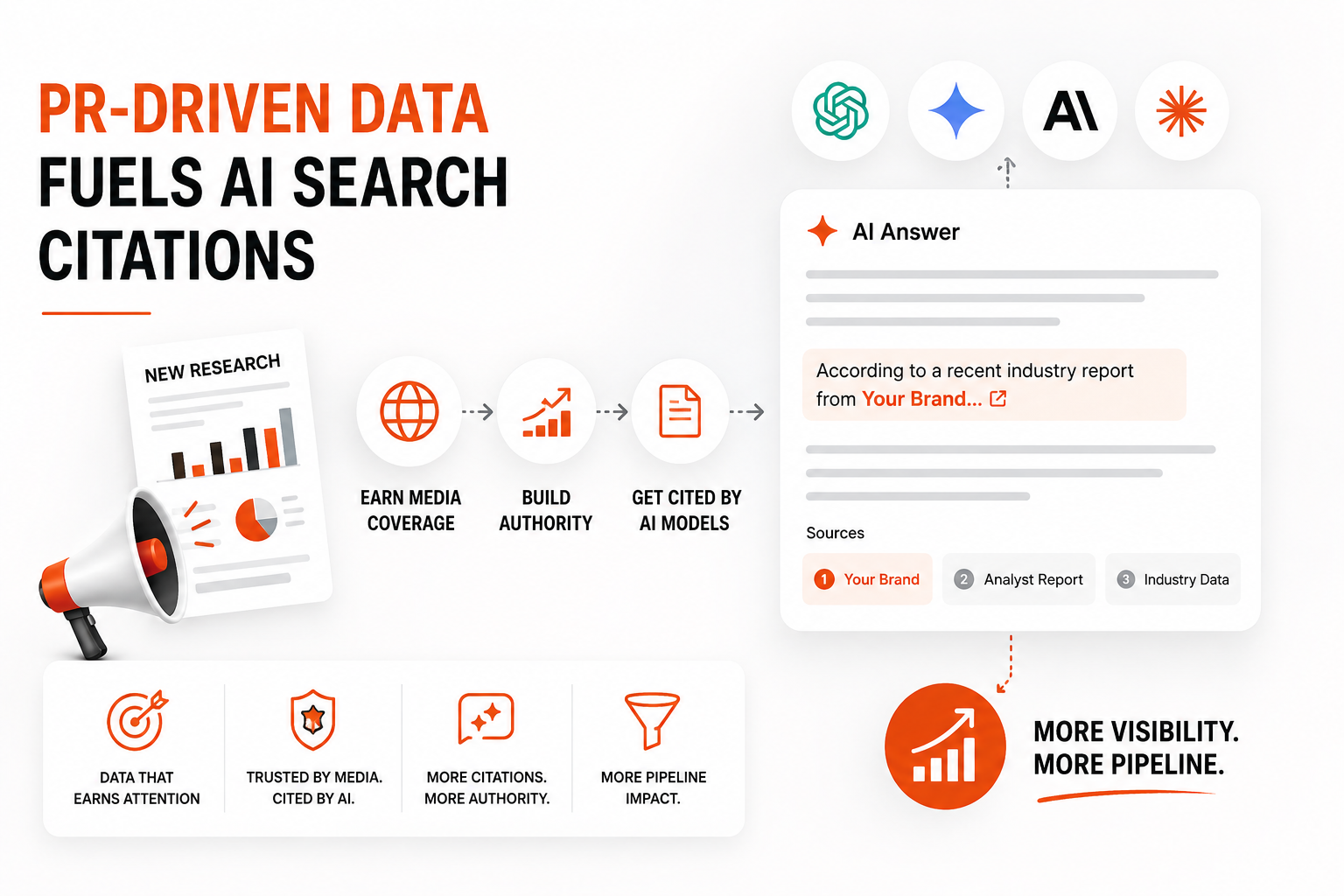
Public‑relations assets press releases, media mentions, and backlinks contain the language that journalists and analysts use to describe your solution. Those phrases often mirror the questions prospects type into AI assistants. By mining PR‑driven data, you capture authentic buyer prompts without guessing. Combine this with sales‑derived signals from CRM notes and support tickets to build a comprehensive prompt library.
Start by aggregating all public media coverage and extracting the headline phrases and quoted statements. Then, align those phrases with internal sales conversations to validate relevance. A systematic approach creates a buyer prompt intelligence repository that feeds directly into content creation. This repository also supports an ai search visibility and share of voice optimization package, enabling teams to prioritize prompts that deliver the highest citation impact.
With a validated prompt set, craft citation‑focused content that embeds the exact language prospects use. Use clear answer formats, concise bullet points, and structured data markup to make extraction easy for AI models. When the content matches the prompt verbatim, the engine is far more likely to cite it as an authoritative source.
To keep the repository relevant, schedule quarterly syncs between the PR, sales, and content teams. During these sessions, surface any new terminology that appears in analyst reports or in emerging customer pain points. By treating the prompt library as a living document, you ensure that your citation assets evolve in step with market language.
Recommended Read: Why SEO Fundamentals Still Power AI Search Citations for B2B Marketers - An exploration of how core SEO tactics complement citation‑focused strategies.
Measuring Impact, Competitive Gap Monitoring, and Share of Voice
Without measurement, you cannot prove the business value of AI citations. The key metric is citation share of voice how often your brand is cited compared to competitors across AI answer engines. Tracking this metric alongside pipeline influence provides a clear ROI picture. An FTC analysis of AI content compliance also highlights the importance of maintaining citation credibility to avoid regulatory pitfalls.
Below is a simple framework for tracking citation performance. The table outlines core metrics, why they matter, and recommended data sources.
| Metric | Why It Matters | Data Source |
|---|---|---|
| Citation Share of Voice | Shows brand dominance in AI answers | AI citation monitoring tool |
| Prompt Coverage Rate | Indicates how many buyer prompts are addressed | Prompt intelligence repository |
| Pipeline Attribution | Links citations to qualified leads | CRM and marketing automation |
These three metrics provide a balanced view of visibility, relevance, and revenue impact. Review them monthly to spot trends and adjust content priorities.
Competitive gap monitoring adds another layer of insight. Identify which prompts competitors already own and where your brand lags. Prioritize high‑value gaps that align with strategic buyer journeys. Over time, closing those gaps expands your citation share and improves overall AI visibility.
Finally, apply best practices for optimizing authorship and credentials to strengthen citation worthiness. Publish content under recognized experts, include clear author bios, and showcase relevant certifications. These signals reinforce ai visibility and citation worthiness, making AI engines more likely to trust and cite your assets.
Practical Tips for Maintaining Citation Relevance Over Time
AI models are continuously retrained on fresh data, which means the prompts that drive traffic today may evolve next quarter. To stay ahead, set up automated alerts that notify you when a previously low‑volume prompt spikes in search volume. When an alert fires, review the associated content for freshness, add any new data points, and republish with an updated timestamp. This signals to the AI engine that the page is current, increasing the odds of citation.
Another effective habit is to embed a short “last reviewed” note at the bottom of each citation‑focused page. This small visual cue not only reassures human readers but also provides a signal that can be picked up by AI parsers looking for up‑to‑date information.
Finally, consider a quarterly “citation health check” where you compare your citation share of voice against the baseline established during the initial audit. If you notice a dip, drill down to the specific prompts that have slipped and allocate resources to reinforce those gaps.
Real‑World Example: Turning a Press Release into an AI Citation
One of Omnibound’s enterprise clients launched a press release announcing a new integration with a leading cloud platform. The release included the phrase “seamless data synchronization across hybrid environments.” By extracting that exact phrase and creating a dedicated FAQ page that answered “How does seamless data synchronization work in hybrid environments?” the client saw the AI engine cite their FAQ within hours of the release going live. The citation generated 12 qualified leads in the following week, illustrating how a single PR asset can be transformed into a high‑impact citation source.
FAQs
1. How can I discover the exact prompts my target audience uses in AI search?
Start by combining public‑relations data press releases, media quotes with internal sales and support transcripts. Extract the phrasing that appears most frequently and map it to the stages of the buyer journey. Tools that ingest these sources can surface a ranked list of prompts, allowing you to prioritize content creation around the language that actually drives AI citations.
2. What is the difference between a citation and a backlink in the context of AI search?
A backlink is a hyperlink from one website to another, traditionally used to signal authority to search engines. A citation, in AI answer engines, is a reference to a content fragment that directly answers a user’s question. Citations are evaluated for relevance, authority, and answer quality, while backlinks primarily influence ranking algorithms.
3. Which metrics should I track to prove the ROI of AI citation efforts?
Focus on citation share of voice, prompt coverage rate, and pipeline attribution. Citation share of voice tells you how often your brand appears in AI answers relative to competitors. Prompt coverage rate measures the proportion of identified buyer prompts that have dedicated content. Pipeline attribution links citation activity to qualified opportunities, providing a clear revenue impact view.
4. How often should I refresh my citation‑focused content?
AI models evolve quickly, and buyer language can shift with market trends. Conduct a quarterly audit of citation performance, update any outdated prompts, and add new content to address emerging questions. Regular refreshes keep your brand relevant in AI‑generated answers and maintain a strong share of voice.
5. Can I use structured data to improve citation chances?
Yes. Adding schema markup such as FAQ, HowTo, and Article enhances the machine readability of your content. Structured data signals to AI engines that the page contains concise answers, increasing the likelihood of being selected as a citation source.
6. How do I ensure my citation strategy complies with legal and regulatory guidelines?
Maintain accurate author credentials, avoid misleading claims, and respect copyright when repurposing PR assets. Follow industry‑specific regulations such as FTC guidelines for AI disclosures and document the provenance of each citation‑focused piece to demonstrate compliance.
Conclusion
AI search citations are rapidly becoming a critical channel for B2B demand generation. By leveraging PR‑driven data, uncovering the exact language prospects use, and systematically measuring citation share of voice, marketers can turn AI answer engines into a powerful source of qualified leads. Apply the frameworks outlined above, monitor performance with the right metrics, and continuously refine your content to stay ahead of competitors. The result is a stronger brand presence in the AI‑first discovery landscape and a measurable boost to pipeline growth.
Recommended Authority Resources
- Reference: New front door to the internet: Winning in the age of AI search - McKinsey - Provides market‑level insight into how AI search is reshaping brand visibility.
- Reference: Why Author Credibility Is the New SEO Ranking Signal in AI Search - CXL - Explains the impact of author expertise on AI citation selection.
- Reference: The FTC Is Regulating AI: A Comprehensive Analysis - Holland & Knight - Details compliance considerations for AI‑generated content and citations.
Turn Your Content Into AI-Search Winners
Get cited across ChatGPT, Claude & Perplexity — not just ranked on Google.
- Increase AI citations
- Improve answer visibility
- Track brand mentions in LLMs
.jpg?height=245&name=unnamed%20(1).jpg)