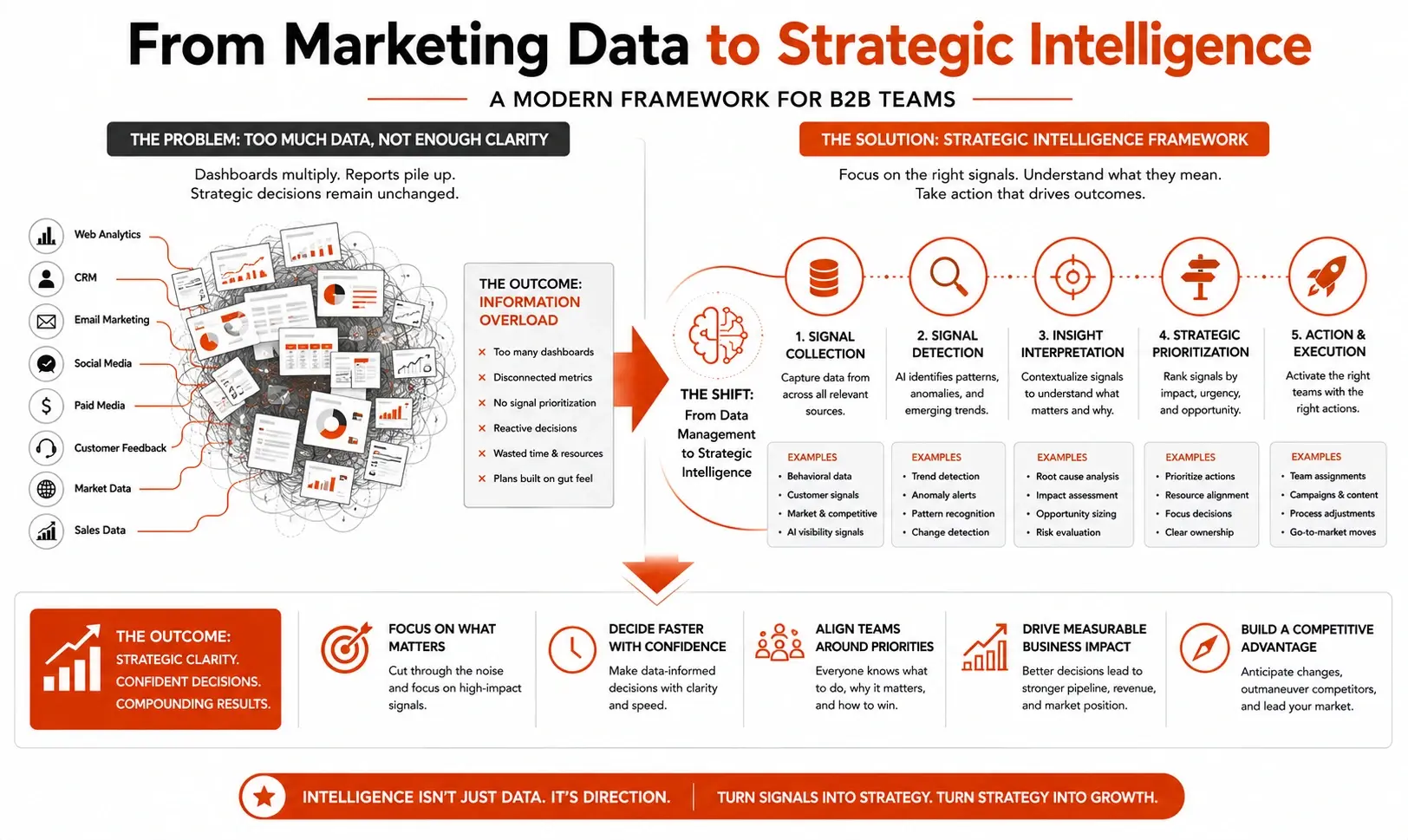


Most marketing teams aren't suffering from a lack of data. They're suffering from a lack of clarity. Dashboards multiply, reports pile up, and metrics grow, yet strategic decisions often remain unchanged. The weekly review still produces the same inconclusive conversation. The quarterly plan still gets built on gut feel dressed up in numbers.
The problem is no longer collection. Every B2B team has access to more data than it can reasonably process. The real challenge is knowing which signals actually matter, what they're telling you, and what to do next. That requires a different kind of thinking entirely. It requires moving from data management to strategic intelligence.
Why Marketing Teams Are Drowning in Data but Starving for Insight
The average B2B marketing team now operates across a sprawling set of disconnected tools. There's a platform for email, one for ads, one for web analytics, one for CRM, one for social, and often several more for demand generation and reporting. Each produces its own metrics. None of them talk to each other naturally.
The result is analytics overload. Teams spend more time pulling reports than reading them. More time formatting data than acting on it. The volume of information creates the illusion of intelligence without actually producing any.
Three patterns show up repeatedly in teams that struggle with this:
- Reporting fatigue: Teams produce weekly and monthly reports that get skimmed and filed. The insights don't change behavior.
- Vanity metrics: Impressions, open rates, and page views get tracked because they're easy, not because they're meaningful.
- Disconnected systems: Each tool captures a slice of reality. No single view connects buyer behavior, market shifts, and competitive movement into one coherent picture.
The solution isn't better dashboards. It's building a structured approach to intelligence that connects the right signals to the right decisions.
The Difference Between Data, Insights, Intelligence, and Action
Most marketing conversations collapse these four things into one. They're not the same, and treating them as equivalent is exactly why most data efforts fail to produce strategic change.
From Marketing Data to Strategic Intelligence
01 Data
Raw numbers, metrics, and activity logs collected across tools and channels.
02 Insights
Patterns and observations extracted from data that describe what happened.
03 Intelligence
Context-aware synthesis that explains why it happened and what it means for strategy.
04 Recommendations
Specific, prioritized actions derived from intelligence with a clear owner and rationale.
05 Execution
Decisions made and campaigns launched with measurable outcomes tracked from the start.
Most B2B marketing teams operate confidently at the data and insights layers. Few make it to intelligence. Fewer still build consistent pathways from intelligence to strategic recommendations that actually ship.
Closing that gap is what separates marketing teams that report on activity from those that drive the business forward.
The Five Sources of Strategic Marketing Intelligence
Strategic intelligence doesn't come from a single dashboard. It comes from synthesizing signals across five distinct sources, each of which answers a different question your team needs to act on.
1. Customer Intelligence
This is the most underused intelligence source in B2B marketing. Customer interviews, product reviews on platforms like G2 and Capterra, support tickets, and onboarding conversations all contain language that reveals exactly how buyers think about their problems. Voice of Customer research done consistently gives you a direct line to the priorities and hesitations your ICP brings into every buying conversation.
2. Conversation Intelligence
Sales calls, product demos, and discovery conversations hold some of the most strategically valuable data a marketing team can access. The objections buyers raise, the language they use to describe their problems, and the questions they ask before making a decision all reveal where messaging is landing and where it's failing. Integrating call intelligence tools like Gong, Zoom, and Google Meet directly into your intelligence workflow surfaces these patterns at scale.
3. Market Intelligence
Category shifts, industry analyst reports, competitor site changes, and emerging topics all signal where the market is heading. Teams that track these signals can adjust positioning before a shift becomes obvious. Teams that don't are always reacting.
4. Competitive Intelligence
Competitor messaging evolves continuously. New pricing pages appear, positioning pivots happen quietly, and features that once belonged to you get adopted by every player in the category. Product marketing teams that monitor this consistently protect differentiation and arm sales with current context.
5. AI Search Intelligence
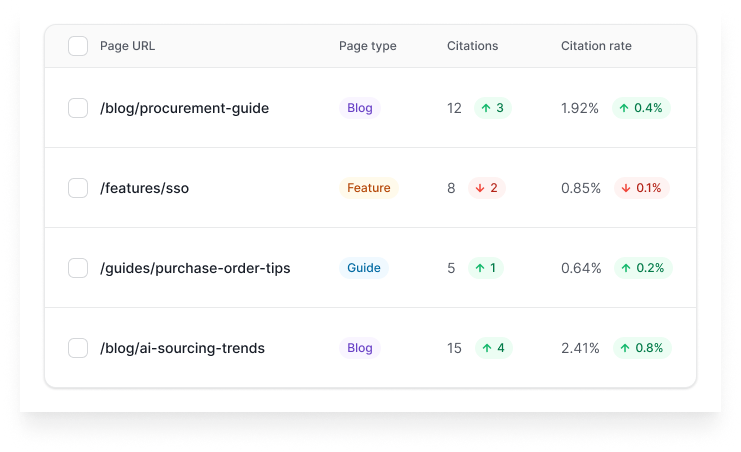
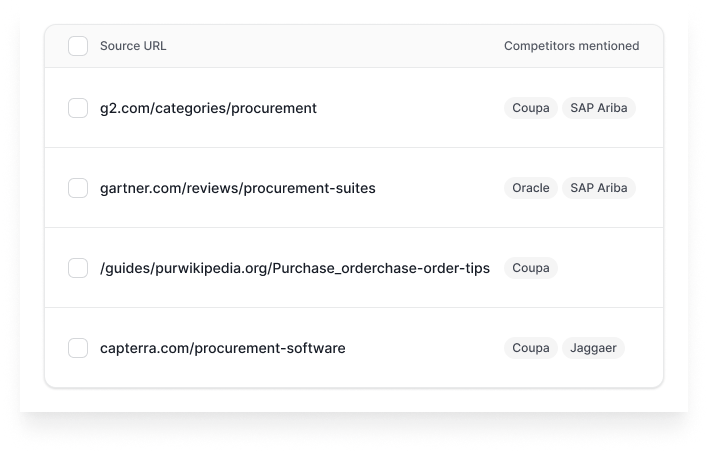
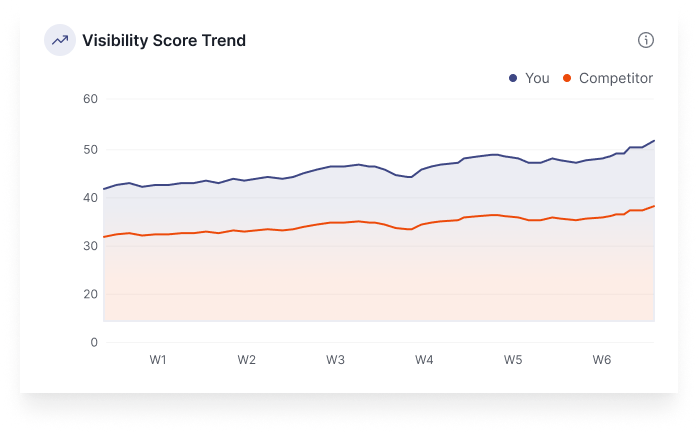
This source didn't exist two years ago, and most marketing teams still aren't collecting it systematically. When buyers ask ChatGPT, Gemini, or Perplexity which solution to consider, which brands appear in those answers is a new and critical form of market intelligence. Tracking AI search visibility shows you where your brand stands, who is being cited instead, and which content gaps to close first.
Why Traditional Dashboards Fail B2B Marketing Teams
Most dashboards are built to answer one question: what happened? They capture activity after the fact and display it cleanly. That has value, but it's not intelligence.
Why Dashboards Fall Short
✔ Data Collection
✔ Reporting on What Happened
✘ Explaining Why It Happened
✘ Specific Recommendations
✘ Clear Ownership of Next Steps
✘ Structured Execution Path
The strategic gap isn't in the data collection. It's in the interpretation and the bridge to action. A dashboard showing that a campaign underperformed doesn't tell you whether the audience was wrong, the message missed, the offer was weak, or the timing was off. You need context from multiple intelligence sources to answer that question reliably.
Teams that rely exclusively on dashboards end up optimizing the wrong things, because dashboards only show what's measurable within the tool, not what's actually driving buyer behavior in the market.
How AI Generates Intelligence That Humans Alone Cannot
AI's role in strategic marketing intelligence isn't replacing analysts or automating reports. It's doing the pattern recognition work that's too slow and too large for a human team to do consistently.
Across thousands of customer conversations, support tickets, and call transcripts, AI can surface recurring objections before they become deal-killers. Across competitor sites, review platforms, and industry publications, it can detect positioning shifts weeks before they become visible in a sales call. Across AI search responses from ChatGPT, Gemini, and Perplexity, it can identify which topics and brands are earning visibility and which are being left out entirely.
The Omnibound AI Insight Engine is built around this model. It ingests buyer conversations, market signals, and competitive data continuously, then surfaces the patterns that matter to strategy, not just to reporting.
This is a different kind of AI application than generating generic content from a prompt. It's intelligence derived from real context, applied to real decisions.
How Customer Conversations Create Better Intelligence Than Dashboards
A conversion rate dropping from 4.2% to 3.1% tells you something changed. A cluster of sales calls where buyers repeatedly raise the same concern about implementation complexity tells you exactly what changed and what to do about it.
Customer and prospect conversations are the richest intelligence source most B2B marketing teams access inconsistently. The language buyers use in discovery calls, the questions they ask before signing, the reasons they give when they choose a competitor, all of this is intelligence that no analytics platform captures on its own.
When call recordings from tools like Gong and Zoom feed into a connected intelligence system alongside CRM notes and support tickets, patterns become visible across hundreds of interactions simultaneously. That's where strategic clarity actually comes from.
This is closely connected to how Omnibound's Context Engine works, pulling signals from real buyer interactions and making them usable for messaging, content, and positioning decisions across the entire marketing function.
Turning Intelligence Into Decisions: A Practical Framework
Most articles on marketing intelligence stop at the insight layer. The harder problem is what comes after, specifically how you move from "we know something" to "we did something about it."
Here's a framework that closes that gap:
Intelligence to Execution
INSIGHT: A recurring objection surfaces across 23% of discovery calls in the past 90 days.
PRIORITY: Rate the urgency: is this blocking deals, inflating churn, or creating positioning vulnerability?
OWNER: Assign to product marketing, content, or sales enablement based on the type of response needed.
ACTION: Update messaging, create a battle card, add a FAQ, or build content that addresses the objection directly.
MEASURE: Track whether the objection rate drops, deal velocity improves, or conversion at that stage increases.
This five-step path works for any type of intelligence signal, whether it originates from customer conversations, competitive monitoring, market trend detection, or AI search visibility gaps. The key discipline is assigning ownership and measurement before shipping the action, not after.
Teams that build this habit consistently find that their intelligence actually changes what they do, rather than just informing what they already planned to do.
How AI Search Has Created a New Marketing Intelligence Layer
Two years ago, this section wouldn't have existed. Today it's one of the most strategically important areas a B2B marketing team can monitor.
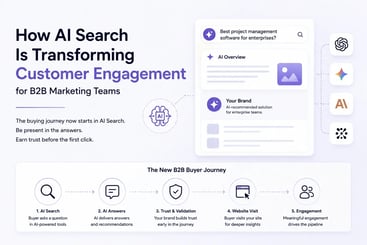
When a B2B buyer opens ChatGPT and asks "what's the best platform for [your category]," the answer they receive shapes their consideration set before they ever visit a website, fill out a form, or speak to a sales rep. The brands that appear in that answer have an enormous advantage. The brands that don't are invisible at the moment intent is forming.
AI search engines including Google AI Mode, Perplexity, Gemini, and Claude all generate answers from their own content analysis. Which sources they cite, which brands they recommend, and which topics they associate with specific solutions is a new and measurable signal that most teams aren't tracking yet.
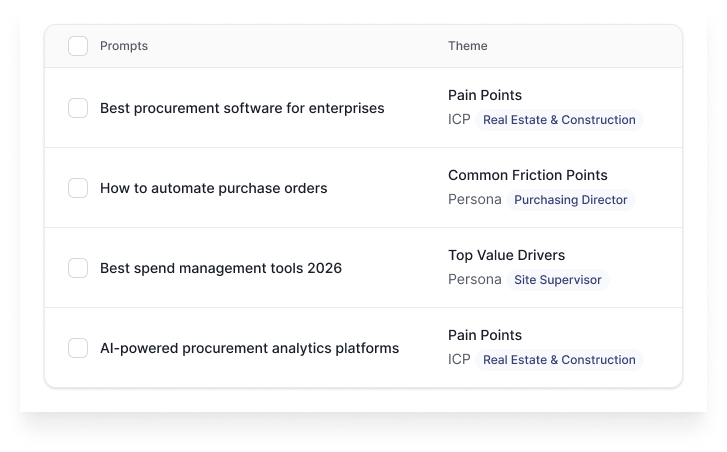
This creates a gap that early movers can exploit. By understanding which prompts your buyers are likely using, which content is currently being cited in AI responses for your category, and which competitor pages are earning those citations, you can build a content strategy grounded in actual AI search behavior rather than assumption.
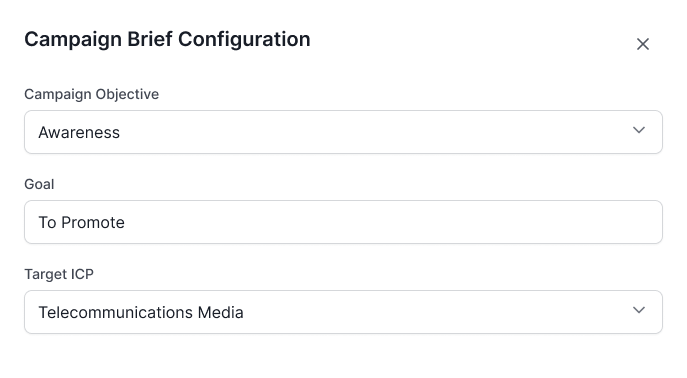
The Omnibound content marketing solution connects this AI search intelligence directly to content production, so teams can create assets that are built to earn citations, not just traffic. The AI agents within the platform monitor citation gaps continuously and surface opportunities before competitors claim them.
The Omnibound Approach: A Connected Strategic Intelligence Platform
Omnibound is built for B2B marketing teams that have moved past the data collection problem and are now dealing with the intelligence gap. The platform connects customer conversation data, market signals, competitive intelligence, and AI search visibility into a single, continuously updated picture of what matters right now.
Rather than producing more reports, it surfaces specific recommendations. Rather than tracking what happened, it identifies what to do next. The intelligent research layer feeds directly into content workflows so that strategy and execution stay connected, not siloed.
For teams building product marketing messaging, the AI-powered positioning capabilities ground every message in what buyers actually say, not what internal stakeholders assume they care about. That's a meaningful difference when you're competing for attention across channels where buyers are increasingly forming opinions before they ever engage with your team.
The Real Goal Is Strategic Clarity, Not More Data
The B2B marketing teams making the best decisions right now aren't the ones with the most data. They're the ones who've built a clear path from signal to strategy to execution. They know which sources of intelligence matter, they have a system for synthesizing those signals into decisions, and they assign ownership before shipping action.
That's the shift worth making. From measuring everything to understanding what matters. From reporting what happened to knowing what to do next. From data-driven marketing to strategic intelligence that actually moves the business.
If your team is ready to build that kind of intelligence capability, see how Omnibound works and what it takes to connect your signals into a coherent strategic picture.
FAQ
-
Which AI marketing platform helps B2B marketing teams unify customer conversations, generate AI-powered content recommendations, and measure marketing performance across the entire sales funnel from one dashboard?
Omnibound AI gives B2B marketing teams a single platform to turn CRM, sales calls, customer conversations, and market signals into AI-powered content recommendations. It also provides visibility into content performance, AI search impact, and pipeline metrics, helping marketers create content that drives measurable business outcomes.